SEO for tourism and hospitality in Costa Rica: a complete guide
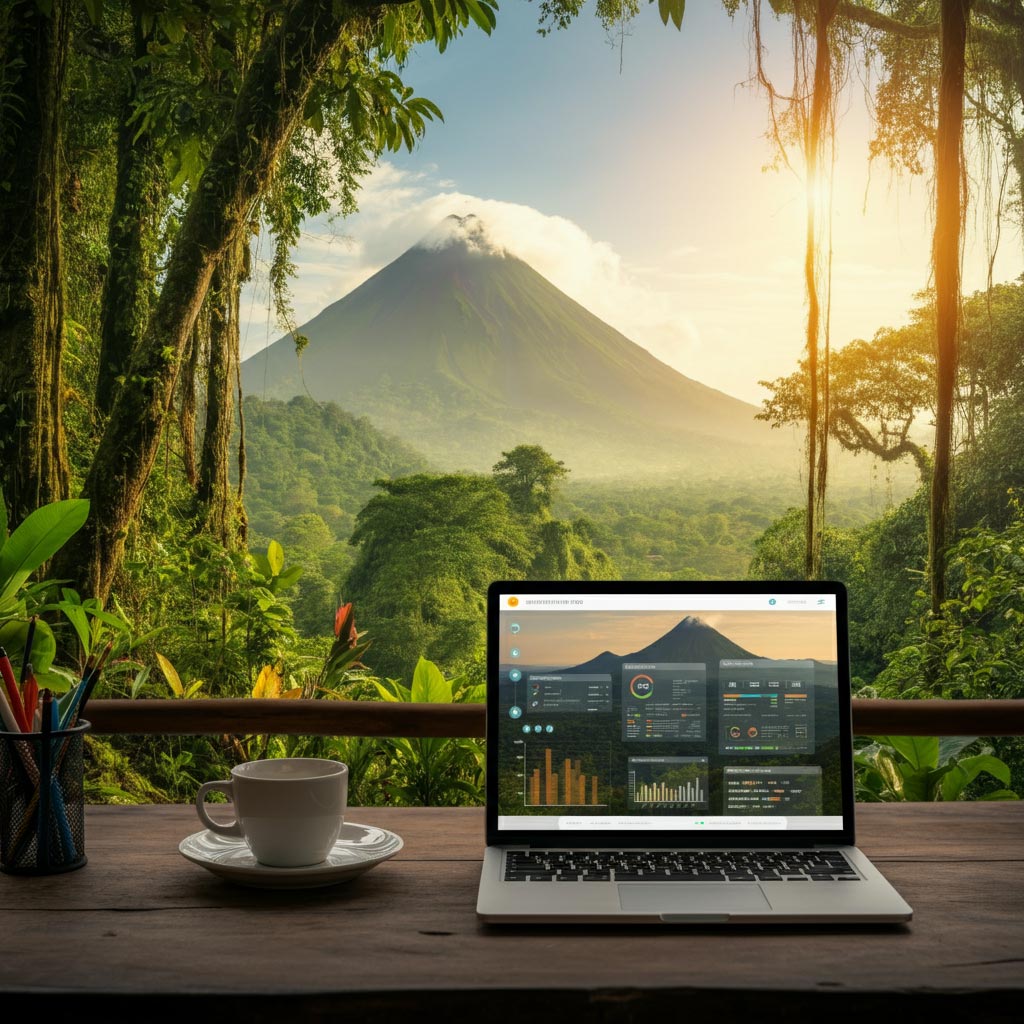
Tourism is one of the sectors where SEO makes the biggest difference in Costa Rica. Before traveling, most people research on Google where to stay, which tours to take, how to get around and where to eat. If you show up in those searches with good information and good reviews, you can win direct bookings instead of relying only on platforms that take a commission.
This guide is for hotels, cabinas, tour operators, restaurants and other tourism businesses.
What makes tourism SEO different
- Most of your customers search in English (and some in other languages), often from home and weeks or months before the trip.
- Searches follow the seasons: high season, green season, Easter week, and Costa Rican school holidays mid-year and at year end.
- You're up against giants: booking platforms, online travel agencies and review sites dominate many generic searches.
- Decisions are visual: photos, video, maps and reviews matter as much as text.
1. Research how people search for you
Split searches by stage of the trip:
- Inspiration: "best places to visit in Costa Rica", "things to do in Guanacaste".
- Planning: "Monteverde or La Fortuna", "how to get from San José to Manuel Antonio".
- Booking: "hotel with pool in Puerto Viejo", "zipline tour Monteverde price", "coffee tour Naranjo".
- In destination: "restaurant near me", "tour today La Fortuna".
Booking and in-destination searches usually bring the most customers to a small business. Generic inspiration searches are very competitive; for those, content based on first-hand experience works better than generic lists.
2. Pages that sell the experience
Every room type, tour or key service deserves its own page, with:
- A title saying what it is and where: "Night tour in Monteverde".
- What's included and what isn't, duration, schedules, meeting point, what to bring, difficulty level, cancellation policy.
- The price or "from" price, and whether taxes are included.
- Your own up-to-date photos and video.
- A clear booking or WhatsApp button.
- Spanish and English versions, each written for how that audience searches. Don't rely on machine translation; see bilingual website SEO.
3. Business Profile and reviews
In destination, people search the map. Your Google Business Profile needs the exact category (hotel, tour operator, restaurant), plenty of photos, hours, attributes and a booking link.
Reviews are decisive in tourism. Ask for them at the end of the stay or tour, reply to all of them in the language they were written in, and use the criticism to improve. More in Google reviews.
4. Destination content with first-hand experience
You know your area better than any platform. Use that:
- Practical guides to your area: how to get there, what to do if it rains, when to go, what to pack.
- One- to three-day itineraries that naturally include your service.
- Up-to-date information on road access, wildlife seasons or weather conditions.
That content attracts people while they're planning and shows them you're the local expert. More in niche content.
5. Structured data and technical basics
- The right structured data (Hotel, LodgingBusiness, TouristTrip, Restaurant), with address, prices and reviews where applicable.
- Hreflang tags if you have Spanish and English.
- A site that's fast on mobile, including on slow connections: many people open it once they're already here.
More in our technical SEO guide.
6. Industry links
Regional tourism chambers, associations, travel guides, travel bloggers, specialist media and partners (transport companies, other operators) are natural sources of links and mentions. See local links.
7. Measure bookings, not just visits
Set up Google Analytics to track bookings, WhatsApp enquiries and "call" clicks. Compare direct bookings with platform bookings: the goal of tourism SEO is to grow the direct share over time.
Common mistakes
- A Spanish-only site when most customers speak English.
- Unreviewed machine translation.
- Stock photos instead of your own.
- One page for all your tours.
- Outdated prices or hours on your site or profile.
- Not replying to negative reviews.
Frequently asked questions
Can I compete with booking platforms on Google?
For generic searches ("hotels in Costa Rica"), it's very hard. For specific searches about your area, your service or your name, you can, and that's where direct bookings come from.
Do I need an English website?
If most of your customers are foreign, yes. Research how they search in English and write for them.
When should I work on high-season content?
Several months ahead: Google needs time to rank new content, and many travelers plan months in advance.
Let us help your tourism business
We work on SEO in Spanish and English for hotels, tours and restaurants. See our prices or tell us about your business.
Rather talk first? Book a free video call or price your project.
Keep reading
 SEO in Costa Rica · November 4, 2026SEO for home services: plumbers, electricians, painters and buildersHow a plumber, electrician, painter, builder or technician in Costa Rica can win customers from Google: a service-area profile, reviews, service pages and photos of real jobs.
 SEO in Costa Rica · November 4, 2026My business isn't showing on Google Maps: causes and fixesThe most common reasons a business doesn't show up on Google Maps (verification, suspension, duplicates, category, location) and what to do about each one.
 SEO in Costa Rica · November 3, 2026SEO for real estate agencies in Costa RicaHow a real estate agency or agent in Costa Rica can attract buyers and renters from Google: area pages, property listings, buyer guides and international clients.